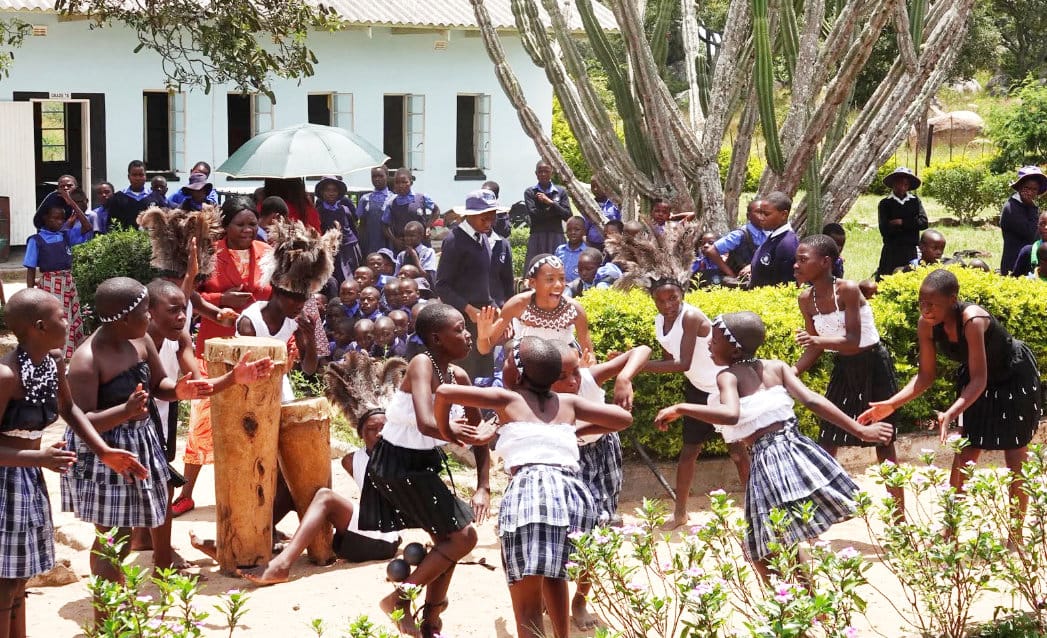
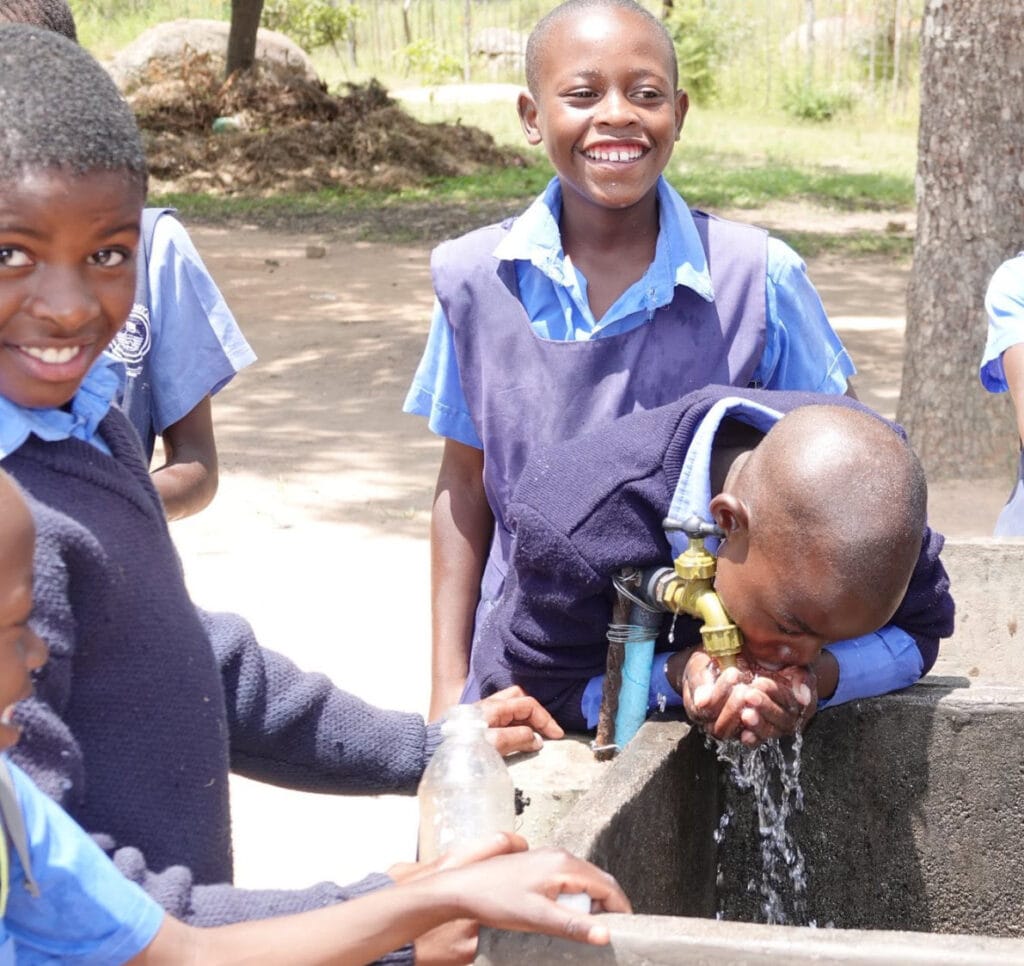
For years, access to clean water shaped daily life at Inyagui Primary School, in Zimbabwe, where learners and teachers relied on an unreliable supply that affected classrooms, sanitation and the wider community.
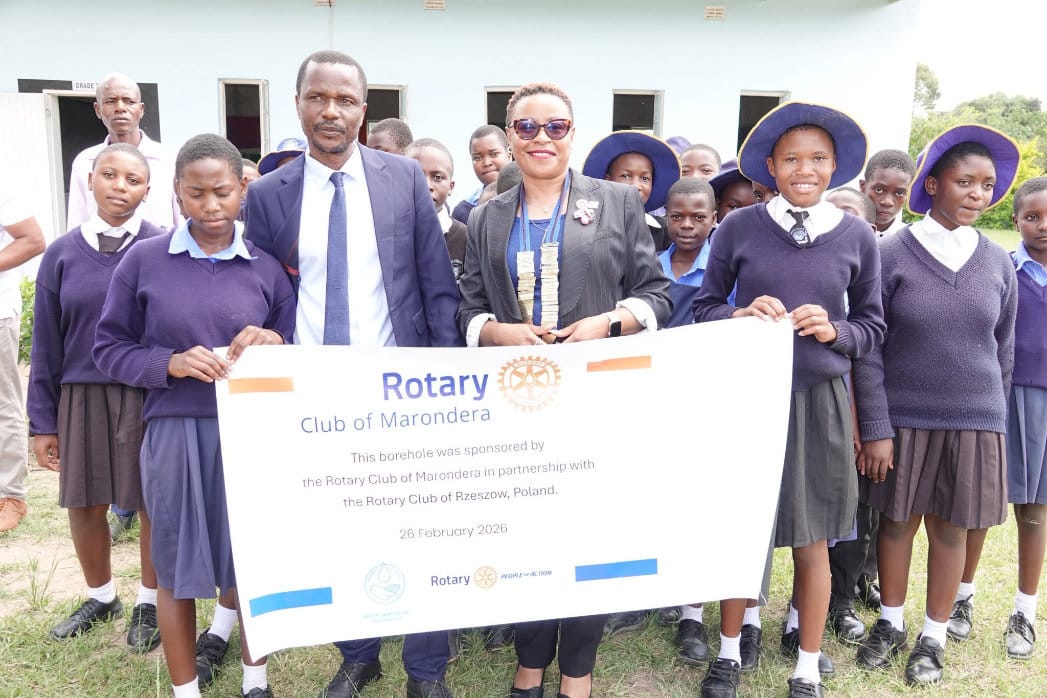
The Rotary Club of Marondera (D9210), working with the Rotary Club of Rzeszów in Poland, has changed that through the installation of a solar-powered borehole that now provides a dependable source of clean water. Situated about 5.5 kilometres from Marondera on the Murehwa Road, the school serves 502 children between the ages of four and 13.
The project began with a hydro-geological survey to identify the best drilling site. Although the original location had to be abandoned because it did not meet legal separation requirements from a nearby cemetery, an alternative site between the classroom blocks was approved on the day drilling was due to begin, allowing work to continue without delay.
The change proved worthwhile. Drilling started on 20 November 2025 and struck water at less than 40 metres, an encouraging result at a time of year when groundwater levels are usually low. The borehole was completed to a depth of 70 metres, securing a reliable long-term water supply.
Completed the following month, the solarpowered system includes a pump, solar panels and upgraded pipework connected to the school’s existing water network. The total cost was US$4,455.
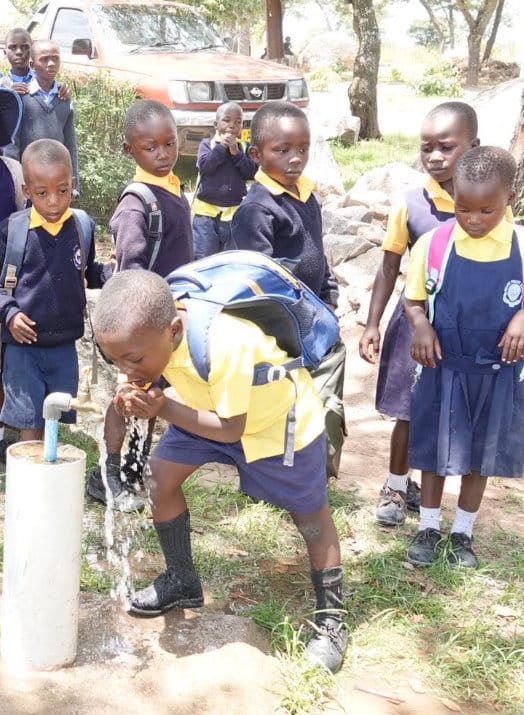
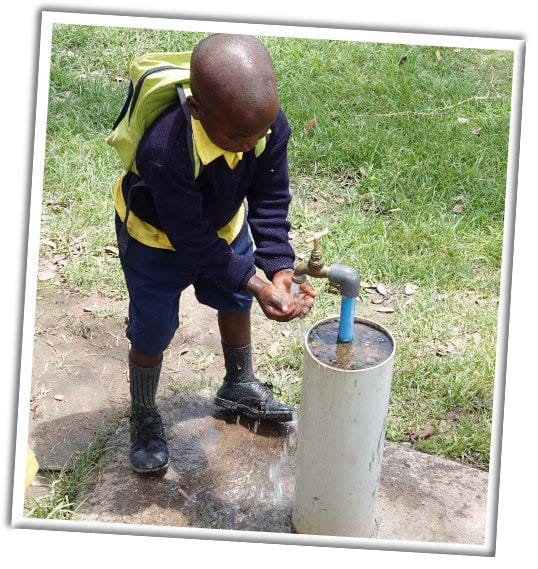
The new water supply has improved hygiene and sanitation, provided reliable water for staff housing and created a healthier learning environment for pupils, while nearby residents also benefit from the additional source.
International cooperation was central to the project’s success. The Rotary Club of Rzeszów, founded in 1994, has supported humanitarian initiatives ranging from clean water projects in Zimbabwe to assistance for Ukrainian refugees, medical treatment for young people and equipment for children with disabilities.